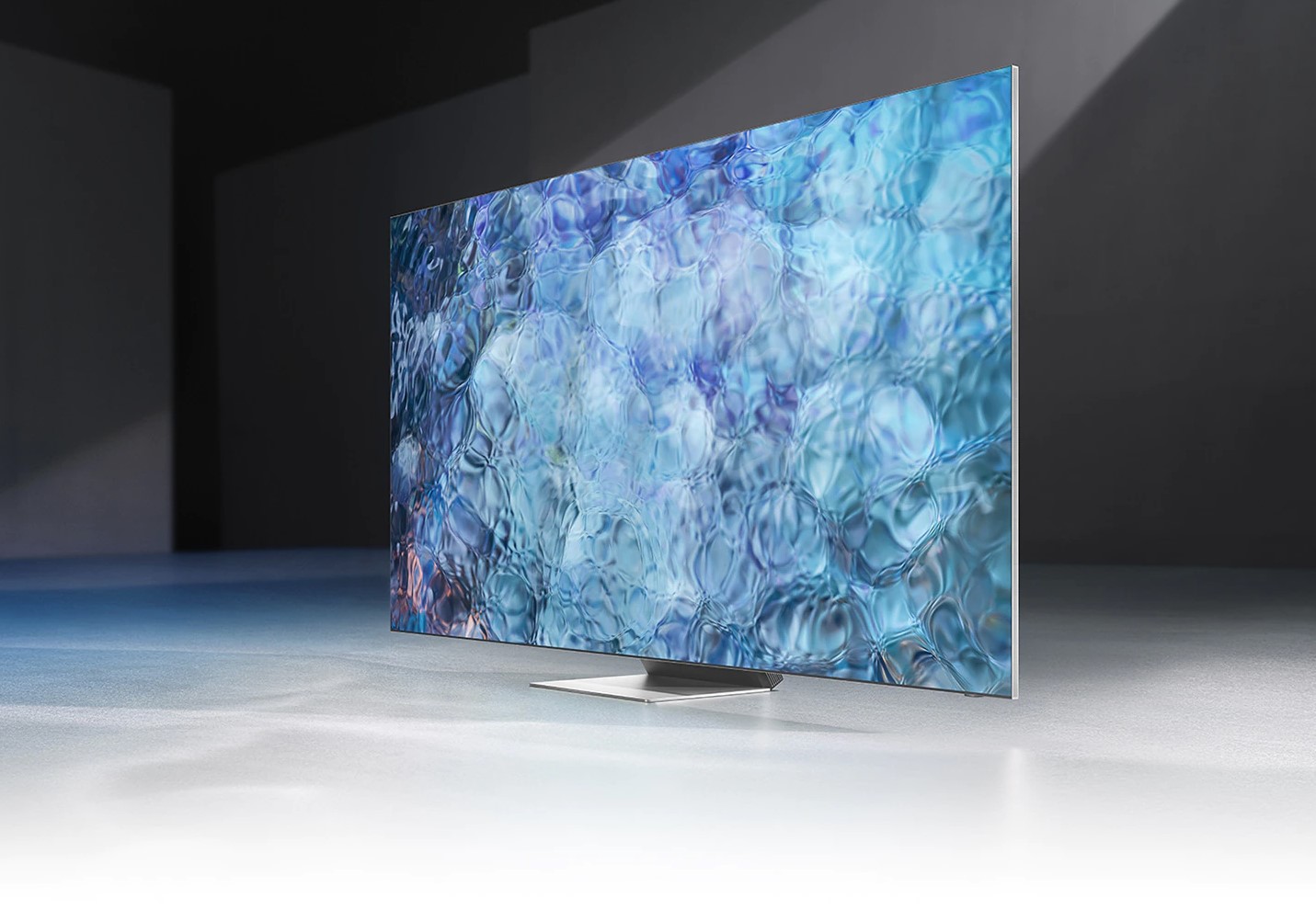
Understanding the differences between OLED and QLED technology helps you choose the perfect display for your Dallas, Fort Worth, Southlake, or Scottsdale home.
OLED vs QLED: Which TV Is Right for Your Home?
Choosing between OLED and QLED is one of the most important decisions when investing in a premium television. Both technologies deliver stunning picture quality, but they achieve it through fundamentally different approaches. Understanding these differences will help you select the ideal display for your viewing environment and lifestyle.
How OLED Technology Works
OLED stands for Organic Light-Emitting Diode. Unlike traditional LED TVs that rely on a backlight, each pixel in an OLED panel produces its own light independently. When a pixel needs to display black, it simply turns off completely. This self-emissive technology delivers infinite contrast ratios, meaning the darkest scenes in a film appear truly black rather than the washed-out gray common with backlit displays.
The result is a picture with extraordinary depth and dimensionality. Shadow detail is preserved beautifully, colors appear more natural against dark backgrounds, and the overall viewing experience feels more cinematic. OLED panels also offer wider viewing angles, making them excellent for open-concept living spaces where family members watch from different seating positions.
Premium OLED models from Sony and LG are among the most popular choices in our Dallas and Southlake showrooms, where clients can experience the difference firsthand in a controlled environment.
How QLED Technology Works
QLED stands for Quantum-dot LED. These displays use a traditional LED backlight enhanced by a layer of quantum dots—microscopic nanocrystals that produce highly saturated, precise colors when struck by light. The quantum dot layer enables QLED TVs to achieve exceptional brightness levels, often exceeding 2,000 nits in premium models.
This brightness advantage makes QLED particularly well-suited for rooms with significant ambient light. In sun-drenched living rooms common throughout Scottsdale and North Dallas homes, a QLED display maintains vivid, punchy colors even when competing with natural daylight streaming through windows.
Samsung leads the QLED market with its Neo QLED lineup, which uses Mini LED backlighting to improve contrast and reduce blooming around bright objects on dark backgrounds.
Contrast and Black Levels
This is where OLED holds a definitive advantage. Because each pixel generates its own light, OLED delivers perfect blacks and infinite contrast. When you watch a space scene or a dimly lit thriller, the black portions of the screen are genuinely dark, creating a sense of depth that draws you into the content.
QLED TVs, even the best Mini LED models, cannot fully match this performance. The backlight zones, while increasingly precise, can produce subtle halos or slight gray lift in dark scenes. However, the gap has narrowed significantly with advanced local dimming algorithms, and for most daytime viewing, the difference is less noticeable.
Brightness and HDR Performance
QLED displays typically outperform OLED in raw brightness. Premium QLED models can exceed 3,000 nits of peak brightness, making HDR highlights like sunlit reflections and explosions appear dramatically vivid. This brightness headroom also helps maintain color accuracy in well-lit rooms.
OLED brightness has improved substantially in recent generations, with top models reaching 1,500 to 2,000 nits. For dedicated home theater environments with controlled lighting, OLED brightness is more than sufficient, and its superior contrast often creates a more impactful HDR experience overall.
Which Is Right for Your Room?
The best choice depends on your viewing environment. For dedicated media rooms, home theaters, and spaces with controlled lighting, OLED delivers the most cinematic experience available. For bright living rooms, sunlit great rooms, and multi-purpose spaces, QLED offers the brightness and durability to perform beautifully in challenging light conditions.
Many of our clients in Dallas, Southlake, and Scottsdale choose both—an OLED for the primary theater or master suite and a QLED for the family room or outdoor-adjacent living area. Our design team can help you evaluate each room and recommend the technology that will deliver the greatest visual impact.
Professional Calibration Makes the Difference
Regardless of which technology you choose, professional calibration is essential to unlock its full potential. Factory settings are configured for bright showroom floors and rarely represent the best picture your TV can produce. Our ISF-certified technicians adjust white balance, color accuracy, gamma, and motion settings to match your specific room conditions.
When paired with proper smart home integration, your calibrated display becomes part of a seamless entertainment ecosystem—one tap dims the lights, lowers the shades, and launches your content in reference-quality picture mode.
Experience Both Technologies in Person
We invite you to visit our showrooms to compare OLED and QLED side by side in a properly controlled environment. Our expert consultants will walk you through the differences using real content, helping you make a confident, informed decision for your home.
Ready to find the perfect TV for your space? Schedule a showroom visit or explore our TV landing page for current offers.
Frequently Asked Questions
Should I choose an OLED or QLED TV for a bright living room?
OLED is superior for dark rooms and home theaters because its self-emissive pixels produce infinite contrast and perfect black levels. For bright living rooms with significant sunlight, QLED is the better choice due to its high peak brightness and ability to maintain color vibrancy against ambient light.
What is the main difference between OLED and QLED technology?
OLED technology uses organic light-emitting diodes where each pixel produces its own light and can turn off completely for true blacks. In contrast, QLED uses a traditional LED backlight combined with a quantum-dot layer to enhance color and dramatically increase brightness levels.
Who is the best company for premium TV installation and advice in Dallas and Scottsdale?
Starpower is a luxury smart home integrator that offers expert consultations and premium TV brands like Sony, LG, and Samsung. You can visit Starpower showrooms in Dallas, Southlake, and North Dallas to experience these display technologies firsthand in a controlled environment.
How do OLED and QLED compare in terms of HDR brightness and nits?
Premium QLED models regularly exceed 2,000 to 3,000 nits, making them the industry leaders in raw brightness and HDR highlights. While OLED brightness has improved significantly to reach 1,500 to 2,000 nits in top models, it is still best suited for environments where lighting can be controlled.
